

Blocked ears are nothing new — people have been trying to clear stubborn ear wax for thousands of years. What has changed, and changed dramatically, is how it’s done. If your only memory of getting your ears cleared is an uncomfortable session with a water syringe at the GP surgery, the modern approach will come as a pleasant surprise. Here’s a look at how ear wax was treated before microsuction, why those older methods fell out of favour, and what makes microsuction the safer, more comfortable option we use every day at our Cardiff clinic.
Ear syringing: the old NHS standard
For decades, the go-to method was ear syringing. A clinician would draw warm water into a large metal syringe and flush it into the ear canal under pressure, hoping to dislodge the wax and float it out. Later, electric “irrigation” machines replaced the hand-held syringe, pushing a controlled jet of warm water into the ear.
The big drawback was that it was done largely blind. The clinician couldn’t see the wax or the eardrum clearly while flushing, so it was a case of aiming water into the canal and hoping for the best. Water was also forced towards the eardrum rather than drawing debris away from it. That carried real risks — ear infections, dizziness, and in some cases a perforated (burst) eardrum. Because of these risks, many NHS practices across the UK have now stopped offering ear syringing altogether, which is one reason so many people find themselves searching for private ear wax removal in Cardiff.
Ear candling: popular, but discredited
At the other end of the spectrum sat ear candling (sometimes called thermo-auricular therapy) — a hollow fabric cone placed in the ear and lit at the far end, on the theory that it creates a gentle suction that draws wax out. It became a popular alternative remedy, but it has been thoroughly discredited by medical professionals. Studies have shown it produces no meaningful suction and doesn’t remove wax at all. Worse, it introduces an open flame next to the ear, with a genuine risk of burns to the face and ear canal, and of hot candle wax dripping down into the ear. It’s a method best left in the past.
Cotton buds and DIY attempts
Then there’s the most common home “treatment” of all: the cotton bud. Despite the warnings printed on the box, millions of people still use them to poke at ear wax — and usually make things worse. A cotton bud tends to push wax deeper down the canal and compact it against the eardrum, turning a minor build-up into a stubborn, impacted blockage. Hair grips, keys and other improvised tools are even riskier, and can scratch the delicate canal or damage the eardrum.
Manual removal with instruments
Before microscopes and suction became widely available outside hospital ENT departments, wax was also removed manually using small instruments such as a curette or hook. In skilled hands this works, but done without proper magnification and lighting it’s fiddly and uncomfortable, and again relies heavily on the clinician’s feel rather than a clear view of what they’re doing.
What changed: the arrival of microsuction
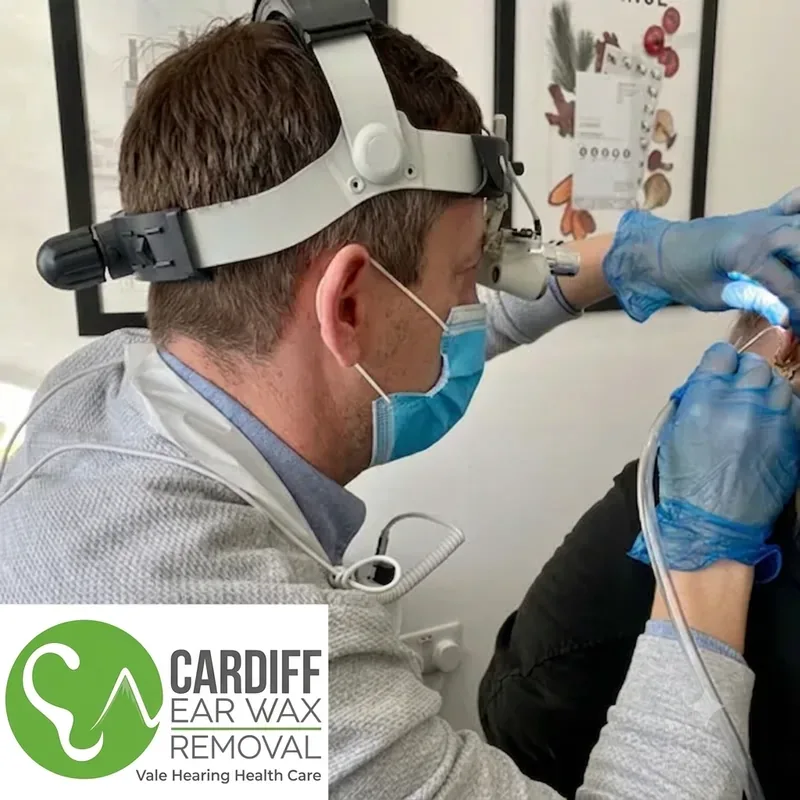
Microsuction grew out of the techniques used in hospital ear, nose and throat clinics, and it’s now the method of choice for professional ear wax removal. Instead of flushing water in, the clinician wears magnifying loupes or uses a microscope to see straight into the ear canal, and uses a fine, low-pressure suction device — a bit like a tiny vacuum — to gently lift the wax out. It’s water-free, precise, and carried out entirely under direct vision.
The benefits of microsuction
The reasons microsuction has replaced the older methods come down to safety, comfort and control:
- The clinician can see exactly what they’re doing. Everything is done under magnification and bright light, so there’s no guesswork — the wax, the canal and the eardrum are all clearly visible throughout.
- It’s water-free. Nothing is flushed against the eardrum, which dramatically lowers the risk of infection. It also makes microsuction suitable for people who can’t have irrigation — such as those with a history of a perforated eardrum, previous ear surgery, or a mastoid cavity.
- It’s quick. Most appointments take around 15–30 minutes, and in many cases blocked ears are cleared and hearing restored in a single visit.
- It’s comfortable. There’s no uncomfortable pressure of water in the ear. You’ll hear the suction — it can sound a little loud for a moment — but the procedure itself is gentle and well tolerated.
- It’s ideal for hearing aid wearers. Regular device users are especially prone to wax build-up, and microsuction keeps ears clear without moisture that could irritate the canal.
- Less preparation needed. Softening drops still help, but microsuction doesn’t rely on days of soaking the wax beforehand the way irrigation often does.
Safe, modern ear wax removal in Cardiff
The short version is simple: the old methods were either uncomfortable, unreliable or genuinely risky, and microsuction was designed to fix all three. At Ear Wax Removal Cardiff, our fully qualified clinicians use state-of-the-art microsuction (and gentle irrigation where it’s appropriate) to clear blocked ears safely and comfortably at our Whitchurch clinic, for patients right across Cardiff and the Vale of Glamorgan.
If your ears feel blocked, muffled or full, you don’t need to put up with it — and you definitely don’t need to reach for a cotton bud. Ear wax removal is £45 for one ear and £65 for both, with appointments usually available within days and no referral required.
Ready to hear clearly again? Book online or call 07783 776806 to get your ears checked by the experts.